The vast black soil regions of Northeast China have long been celebrated as the country's breadbasket, but their lesser-known role as a protein factory is quietly reshaping agricultural narratives. Beneath the sprawling soybean fields lies a remarkable ecological partnership – one where plants and bacteria collaborate to convert atmospheric nitrogen into life-sustaining proteins. This natural nitrogen fixation process makes soybeans not just a crop, but a sustainable protein production system that could hold answers to global food security challenges.
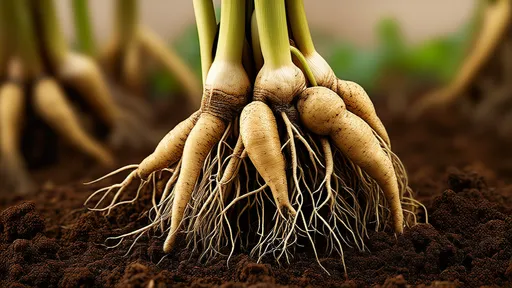
When farmers in Heilongjiang Province plant their soybean seeds each spring, they're effectively setting up countless microscopic protein factories. The soybean's secret weapon lies in its root nodules, where Bradyrhizobium bacteria take residence. These bacterial partners perform what chemists struggle to replicate industrially – they break the powerful triple bond of atmospheric nitrogen molecules and convert them into ammonia. This biological alchemy provides the building blocks for amino acids and proteins, creating nutritional value literally from thin air.
The black soil itself plays a crucial supporting role in this protein production drama. This fertile earth, enriched by millennia of decomposed organic matter, provides the perfect stage for the soybean-rhizobia symbiosis. The soil's excellent water retention ensures consistent moisture for the nitrogen fixation process, while its loose structure allows roots to spread freely and form abundant nodules. Unlike synthetic nitrogen fertilizers that require enormous energy to produce, this natural system operates on sunlight and soil nutrients alone.
What makes Northeast China's soybean protein particularly noteworthy is its quality profile. The region's cool climate and distinct day-night temperature variation cause the plants to produce proteins with ideal amino acid balances. Food scientists have noted that soy protein from this region often contains higher levels of methionine and cysteine – two sulfur-containing amino acids typically limited in plant proteins. This gives Northeast soybeans exceptional nutritional value that rivals animal proteins.
The environmental implications of this natural protein production system are profound. While livestock farming generates significant greenhouse gas emissions, soybean fields in the black soil region actually sequester carbon while producing protein. The nitrogen fixation process eliminates the need for synthetic fertilizers that would otherwise require fossil fuels to manufacture and transport. Moreover, the deep root systems of soybean plants help prevent the erosion of precious black soil, making this a truly sustainable agricultural model.
Local farmers have developed cultivation practices that maximize this natural protein factory's output. Many employ crop rotation systems where soybeans alternate with corn, allowing the soil to recover while maintaining productivity. Some have adopted no-till methods that preserve soil structure and microbial communities essential for efficient nitrogen fixation. These traditional practices, combined with modern precision agriculture techniques, create an optimized environment for biological nitrogen fixation.
The economic ripple effects of this biological protein production are significant. Northeast China's soybean industry supports everything from tofu and soy milk production to animal feed and industrial applications. Unlike protein sources that require expensive inputs, the nitrogen-fixing soybean's lower production costs make plant-based proteins more accessible. This has fueled growth in local food processing industries and positioned the region as a key player in the global plant-protein market.
Research institutions across China are studying how to enhance this natural protein production system. Scientists are exploring everything from breeding soybean varieties with more efficient nitrogen fixation to optimizing bacterial strains for better symbiotic performance. Some promising developments include soybean cultivars that continue nitrogen fixation during pod-filling stages and bacterial inoculants that boost nodule formation. These innovations could further increase protein output without expanding farmland.
Climate change presents both challenges and opportunities for Northeast China's protein factories. While rising temperatures may extend the growing season, changing precipitation patterns could disrupt the delicate soil moisture balance crucial for nitrogen fixation. Researchers are developing drought-resistant soybean varieties and studying how microbial communities might adapt to warmer conditions. The region's experience could provide valuable insights for other parts of the world seeking sustainable protein solutions.
As global demand for protein continues rising, Northeast China's black soil soybean fields offer a compelling model of sustainable production. This natural system, refined over centuries of agricultural practice and now enhanced by scientific understanding, demonstrates how we might feed growing populations without depleting resources. The soybean's ability to create high-quality protein from air and sunlight, mediated by soil microbes and nurtured by fertile black earth, stands as a testament to nature's ingenuity – and a promising solution for our protein-hungry future.

By /Jul 11, 2025

By /Jul 11, 2025

By /Jul 11, 2025

By /Jul 11, 2025
By /Jul 11, 2025

By /Jul 11, 2025

By /Jul 11, 2025

By /Jul 11, 2025

By /Jul 11, 2025
By /Jul 11, 2025

By /Jul 11, 2025

By /Jul 11, 2025

By /Jul 11, 2025

By /Jul 11, 2025

By /Jul 11, 2025

By /Jul 11, 2025

By /Jul 11, 2025

By /Jul 11, 2025
